
Canada
RAN Canada
The first. A refugee advisor on the national delegation became a standing advisory network.
Where R-SEAT's founder defined the model
Our work
The five countries with a Refugee Advisory Mechanism, and the four UNHCR meetings where refugee policy is discussed.
Why R-SEAT exists
R-SEAT was founded after Rez Gardi and Mustafa Alio identified a major structural gap in the global refugee system: while states remain the primary decision-makers, many lack clear, practical, and institutionalized pathways to collaborate with refugee leaders, experts, and refugee-led organizations.
What R-SEAT believes
At the center of R-SEAT's work is the belief that refugees themselves hold the keys to their own solutions. R-SEAT shifts the narrative from refugees as passive recipients of aid to active leaders, experts, and partners in designing better systems, policies, and responses.
Where R-SEAT works
R-SEAT operates internationally, with presence in Geneva, New York, and different regions around the world. All actors can harness the power of meaningful refugee participation.
Refugee Advisory Mechanisms
Each of these mechanisms was built by refugee leaders and government officials working together, with R-SEAT's support.
The first. A refugee advisor on the national delegation became a standing advisory network.
Refugee leaders advising on resettlement and protection policy at federal level.
A standing panel feeding lived expertise into national refugee policy.
Refugee representatives engaged in shaping Germany's refugee response.
Lived-experience advisors connected to national and international processes.
Where the decisions get made
A national mechanism is only half the job. The other half is the international calendar, where a delegate brings their expertise into global policy spaces.
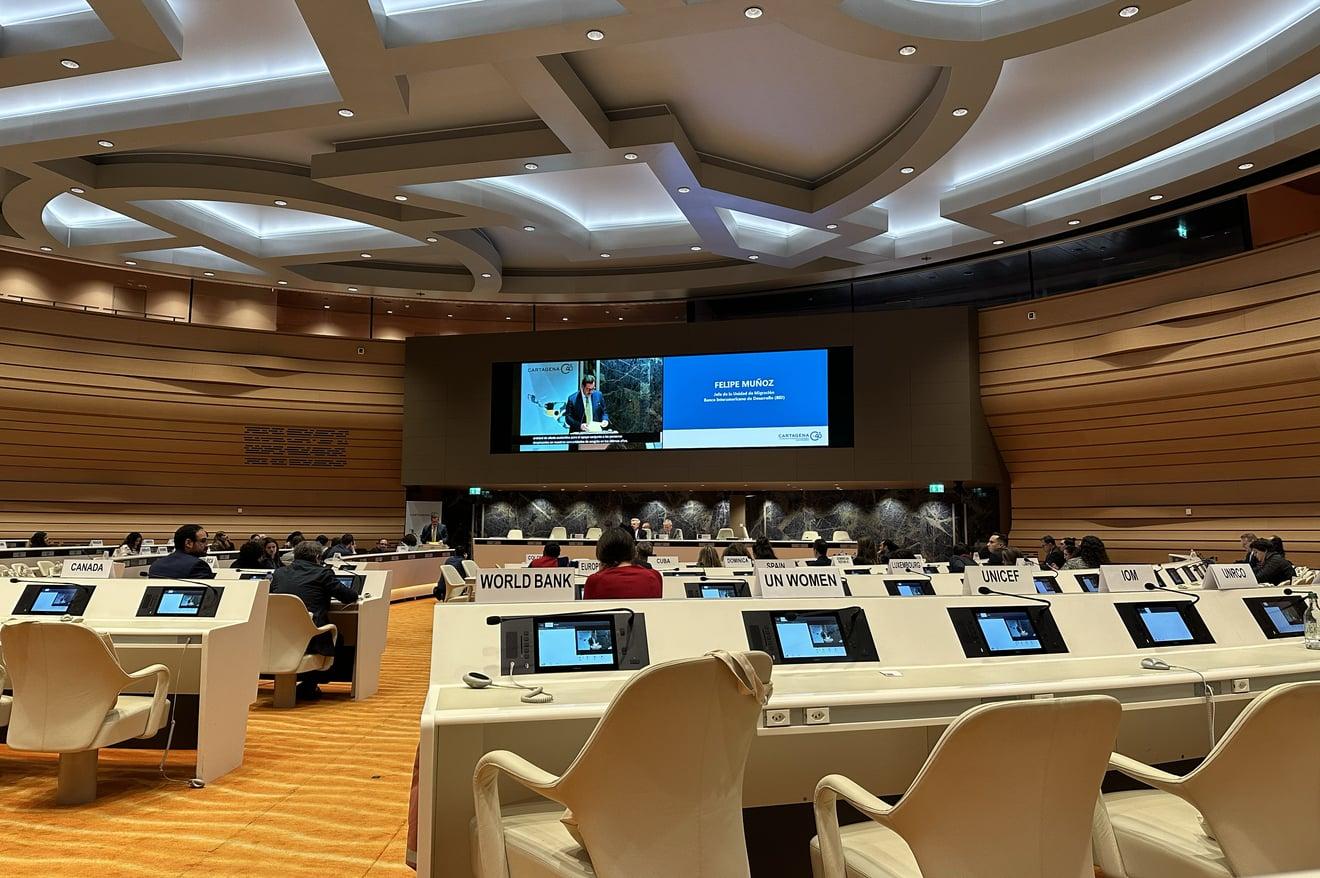
The body that oversees UNHCR, meeting in plenary every year with standing committees in between.
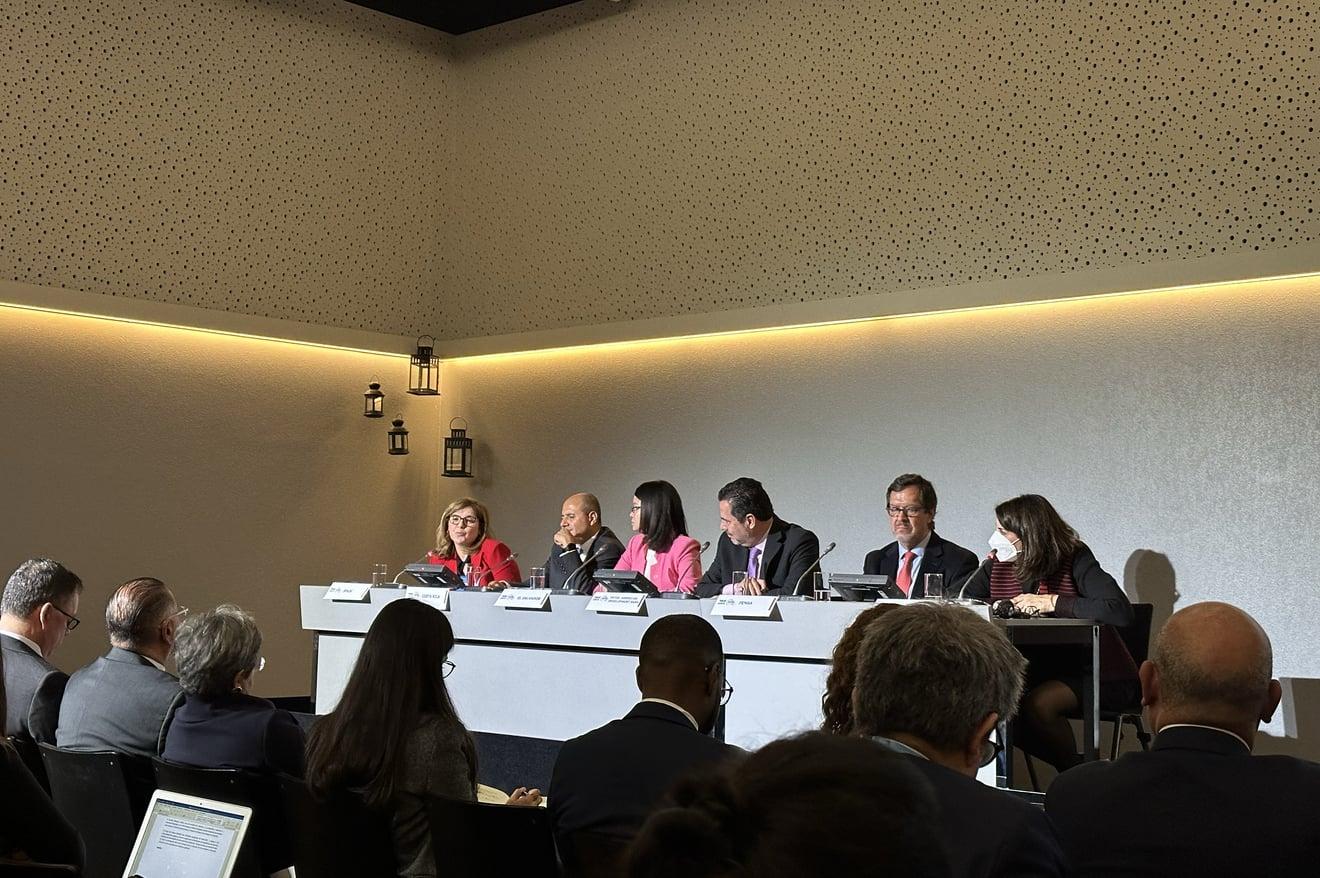
The multilateral forum on resettlement and complementary pathways, hosted by UNHCR and chaired by a different state each year.
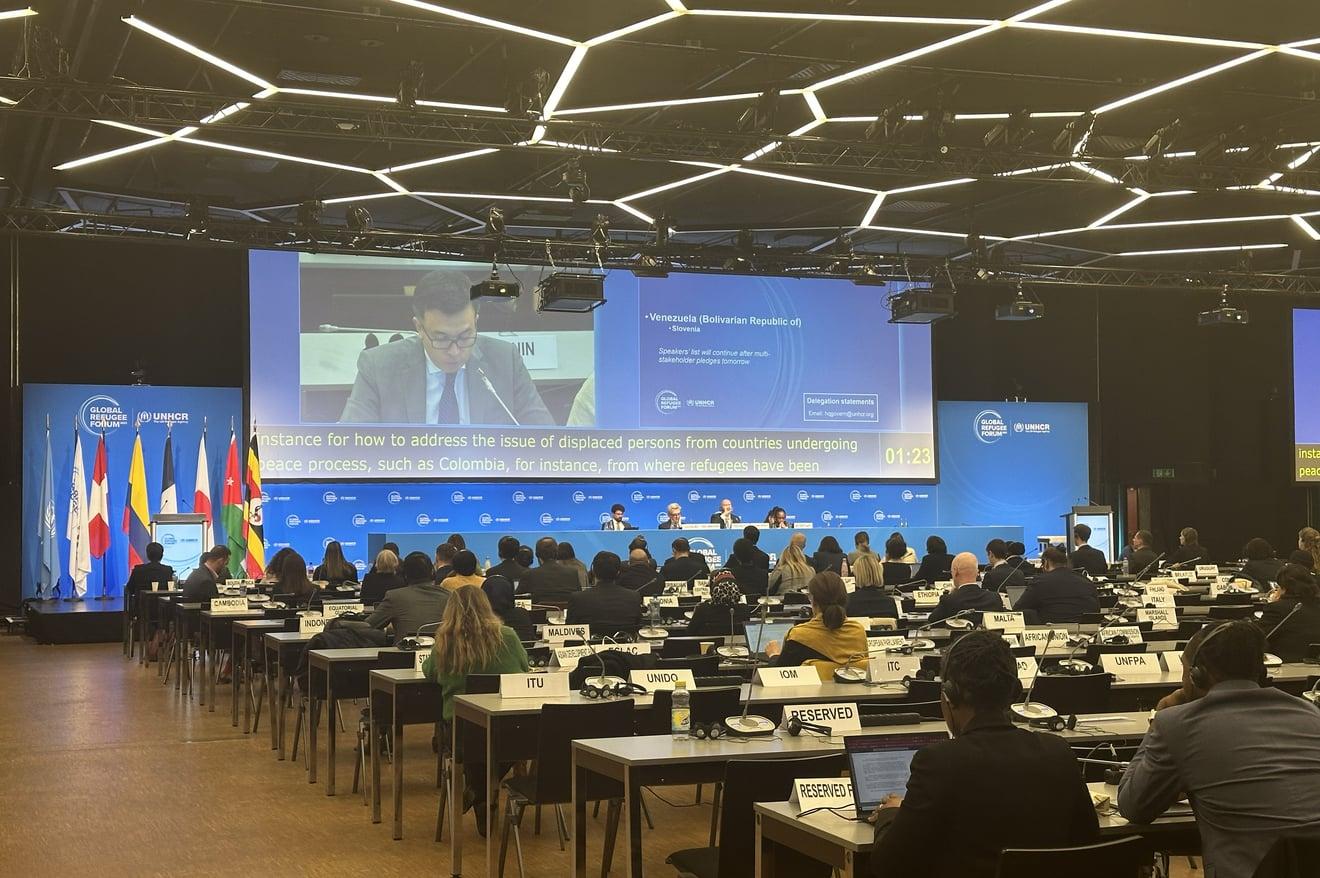
The largest regular gathering on refugee policy in the world — where states make the pledges that shape the next four years.
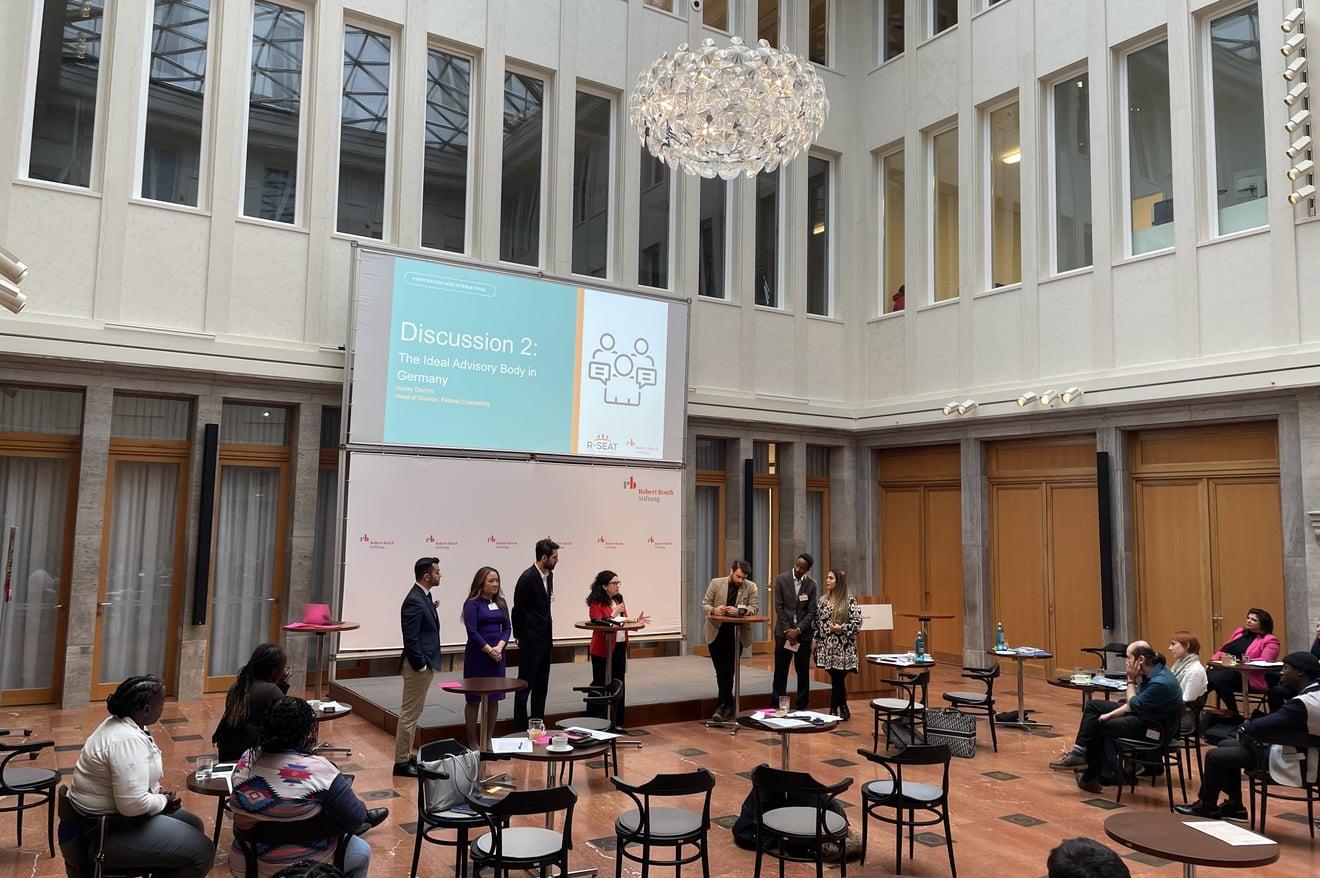
The consultation between UNHCR and civil society. In 2024 it turned on inclusion, solutions and gender equality.